STRATEGY
Creative Strategy Portfolio — 2026

AI-native ad systems
built to perform.

Most people making AI ads start with the image. I start with the brief. My background is building systems that can't afford to fail. That same instinct is what makes this work different.

Background Biotech · Health Systems · Clinical Research
Training Motion Creative Strategy Bootcamp
Tools Nano Banana · Flow · Photoshop · Claude
Scroll

Systems thinking
meets creative instinct.

My last role was managing enterprise partnerships — coordinating across academic medical centers, federal institutions, legal teams, and clinical ops simultaneously. That included building marketing collateral with creative teams, developing partner-facing landing pages, and working with PMRC on content that had to be accurate, on-brand, and cleared fast. You learn quickly how to read what a stakeholder actually needs versus what they're asking for, and how to build systems that produce consistent output even when everything else is moving.

I brought that same approach to creative. Every piece in this portfolio starts with a research-backed brief, runs through a structured generation system, and produces output that can be evaluated, iterated, and scaled. That's not how most people approach spec work. It's how I approach everything.

01
TOPICALS
Full AI creative system — DTC skincare

Built a complete, repeatable ad creative infrastructure for a BIPOC-founded Gen-Z skincare brand competing in the hyperpigmentation and ingrown hair categories — from brand spec to 7-agent copy scoring to multi-format ad portfolio.

Brand Spec Visual Style Card 7-Agent Copy System AI Image Generation Animation (Veo) Multi-Format Ads
The Strategy

Proof over promise.

Topicals' audience has been burned by brands that overpromise on dark spots and textured skin. Generic "before and after" claims don't land — this consumer is skeptical, informed, and tired of being marketed at. The winning angle isn't "this product works." It's "this brand actually gets your skin." Every ad in this system leads with specificity: real ingredients, real awards, real shades of skin that don't usually make it into skincare ads. Health claims are the close, not the hook.
01
Brand Spec Card
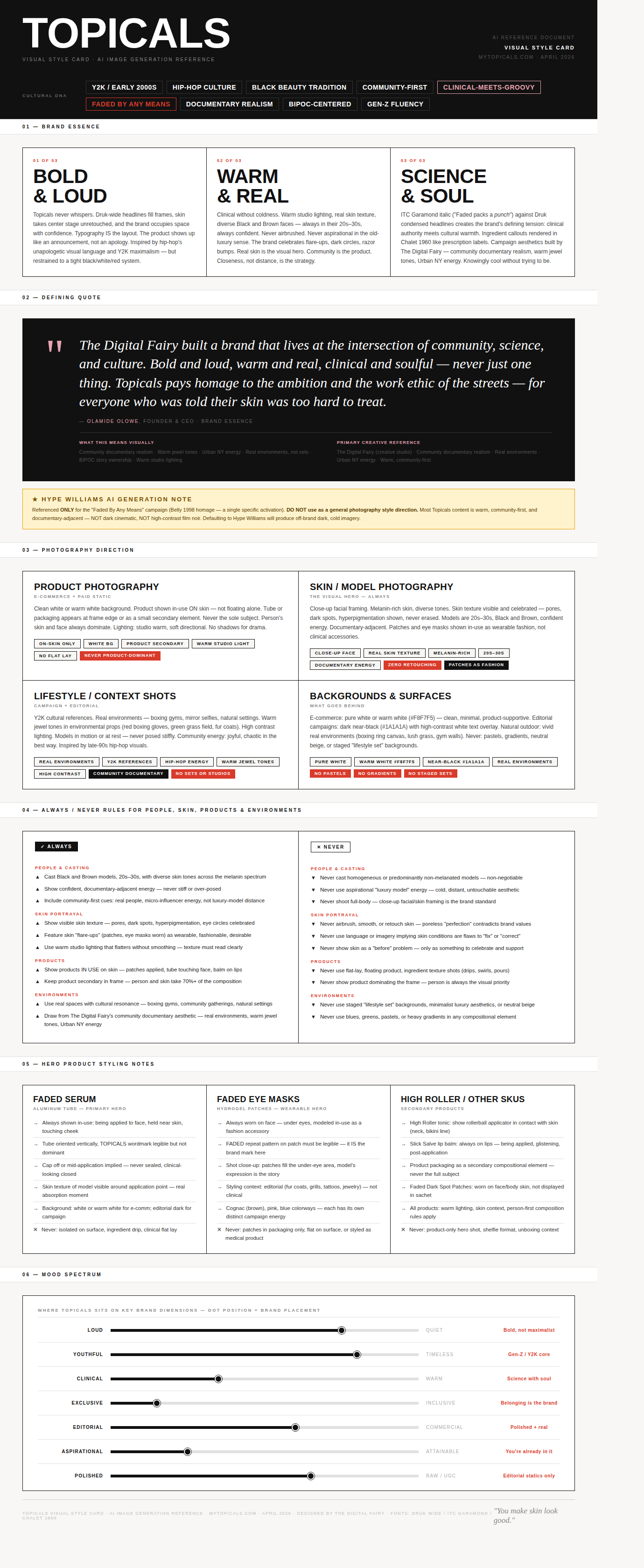
Full visual identity system for AI generation — typography, confirmed color palette, photography direction, casting rules, always/never list, AI generation notes. Uploaded with every prompt to keep outputs on-brand.
02
Visual Style Card
Brand essence, photography mood spectrum, product styling notes, background color rules. Uploaded alongside the brand spec so every generation starts from the same visual foundation.
03
7-Agent Copy System
Seven sequential copy review agents, each scoring one dimension. Output from one feeds the next. Built so any copy can be evaluated and improved without subjective guesswork.
04
Ad Portfolio
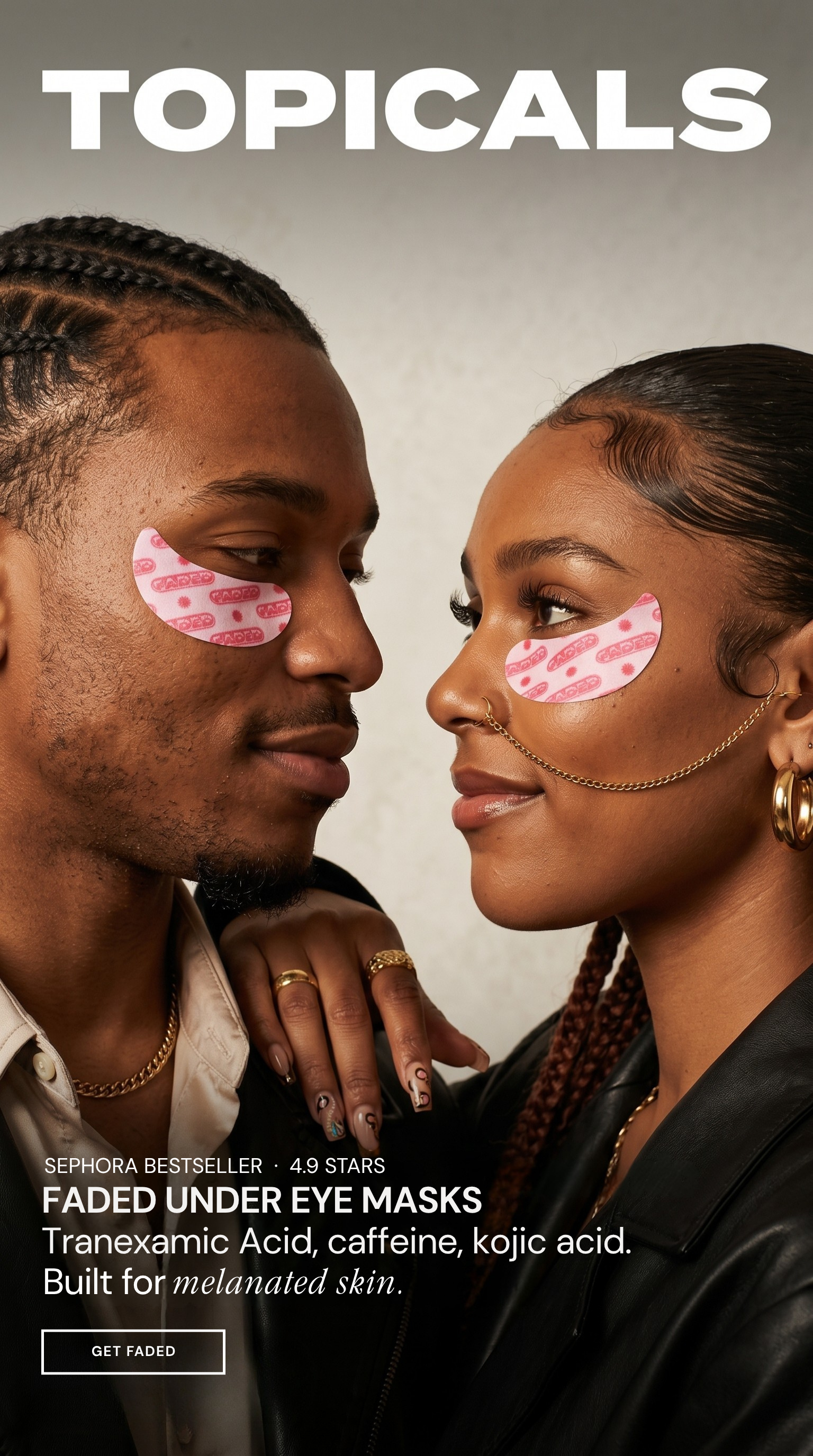
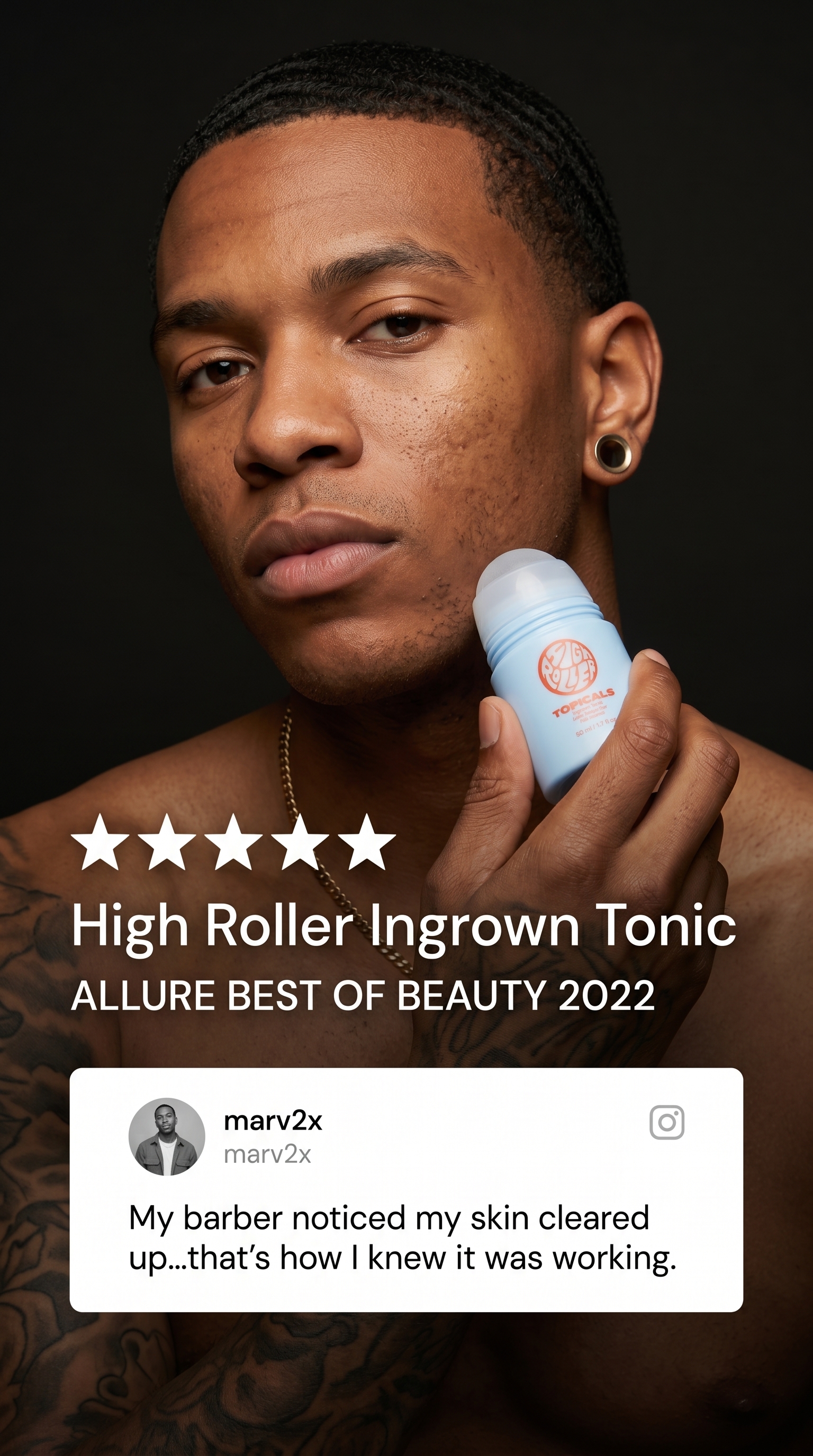
Multi-format set across two hero products: High Roller Ingrown Tonic and Faded Under Eye Masks. Editorial lifestyle, UGC-style, ingredient callout, and before/after formats.

7-Agent Sequential Copy Scoring System

Each agent scores one dimension → passes to next
01
Persona Fit
Does this speak to Topicals' actual customer — Gen Z, skin-aware, BS-detector on high?
02
Angle Fit
Is the creative angle differentiated from what every other skincare brand is running?
03
Emotional Fit
Does it land emotionally without being manipulative or patronizing?
04
Brand Fit
Does the copy sound like Topicals — specific, direct, a little irreverent?
05
Conversion
Does it give someone a reason to act — not just feel something?
06
Format
Is the structure right for the placement — hook, body, CTA proportions correct?
07
Grammar
Clean, intentional, no errors — unless the rule-break is deliberate and on-brand.
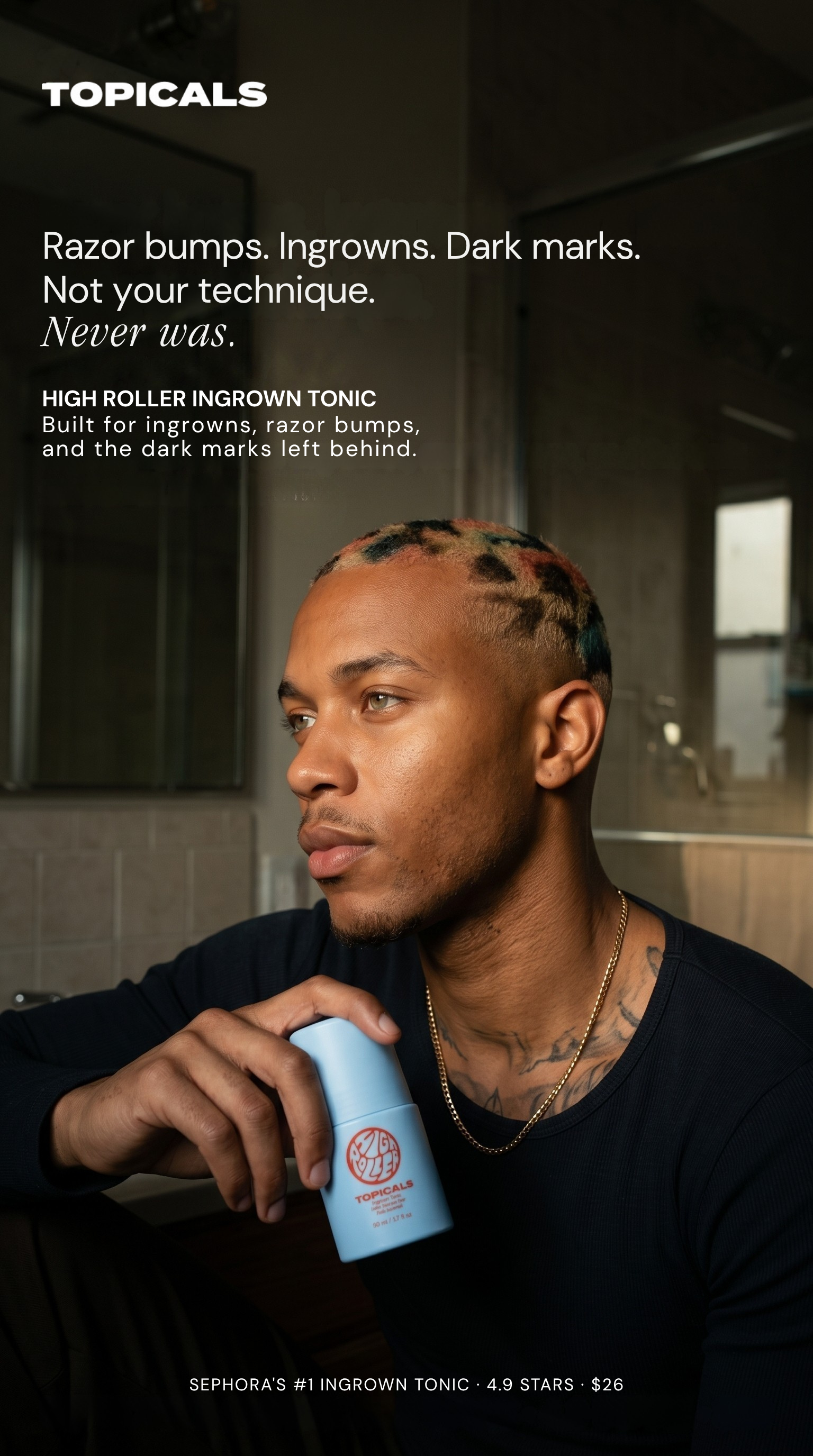
High Roller Never Was
High Roller — Problem Reframe ("Never Was")
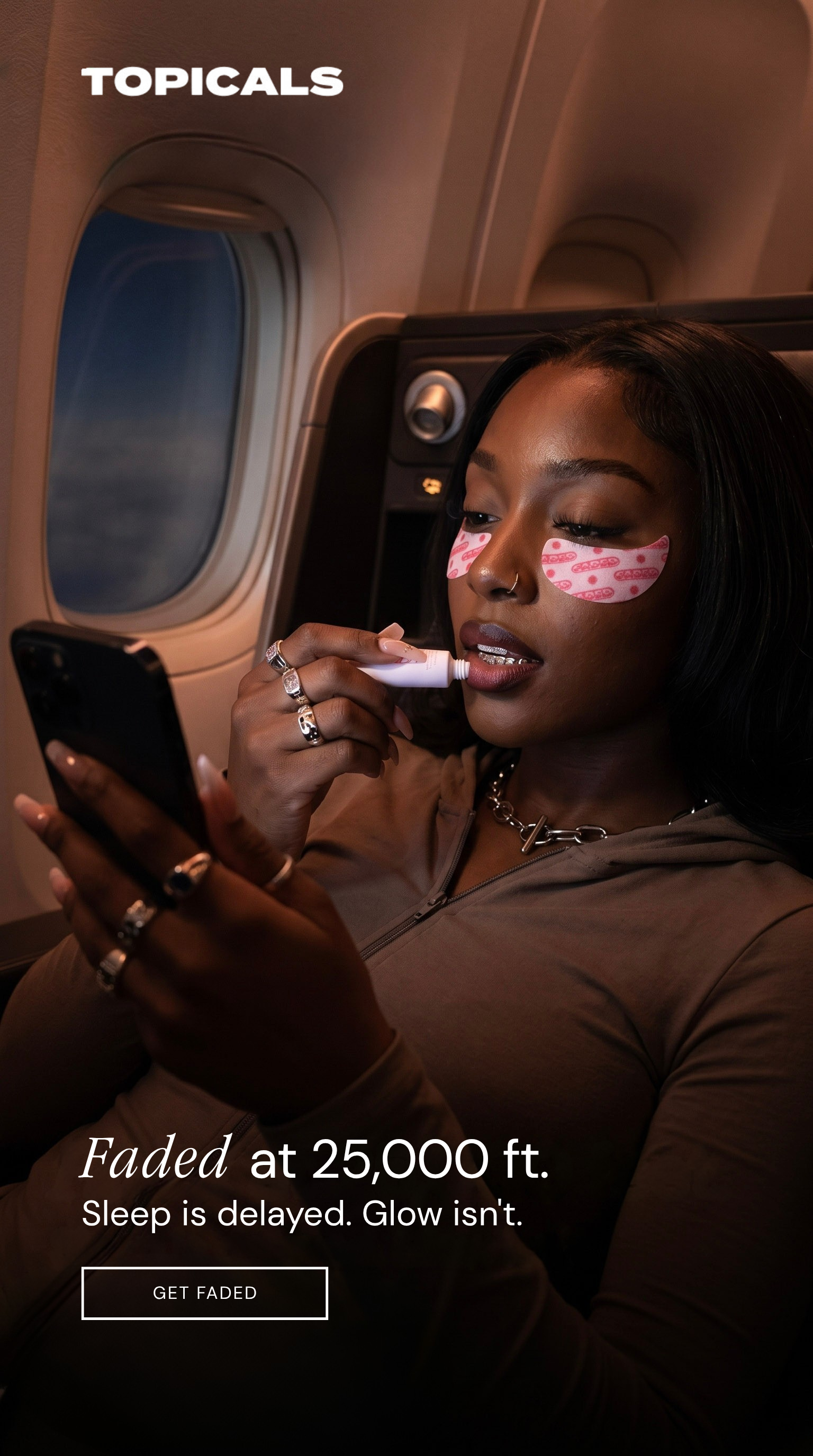
High Roller Until Now
High Roller — Product in Use ("Until Now")
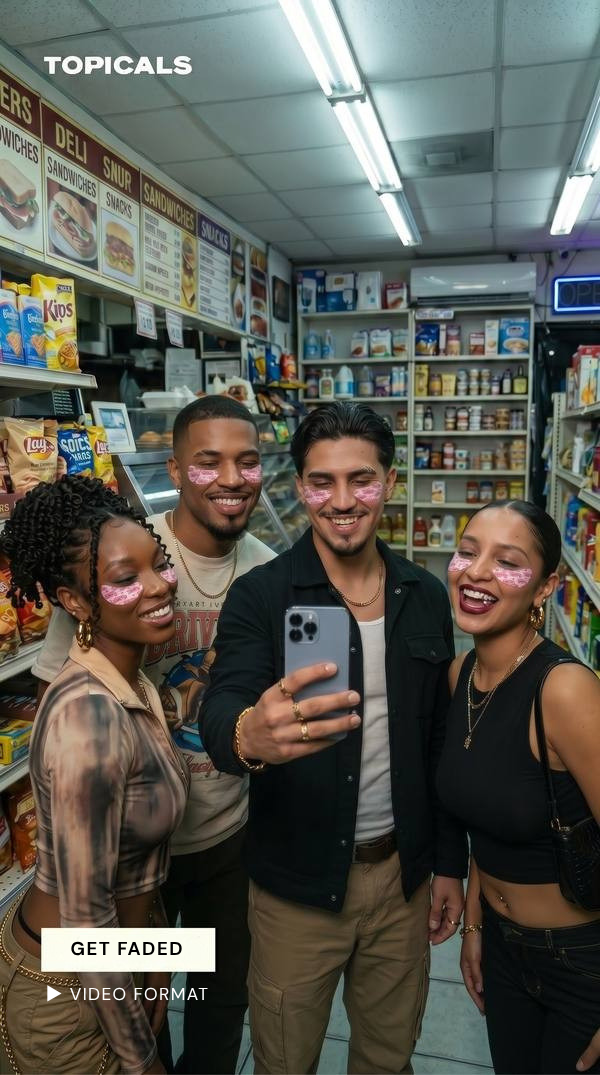
Faded Bodega
Faded — Cultural Lifestyle ("Get Faded" Bodega)
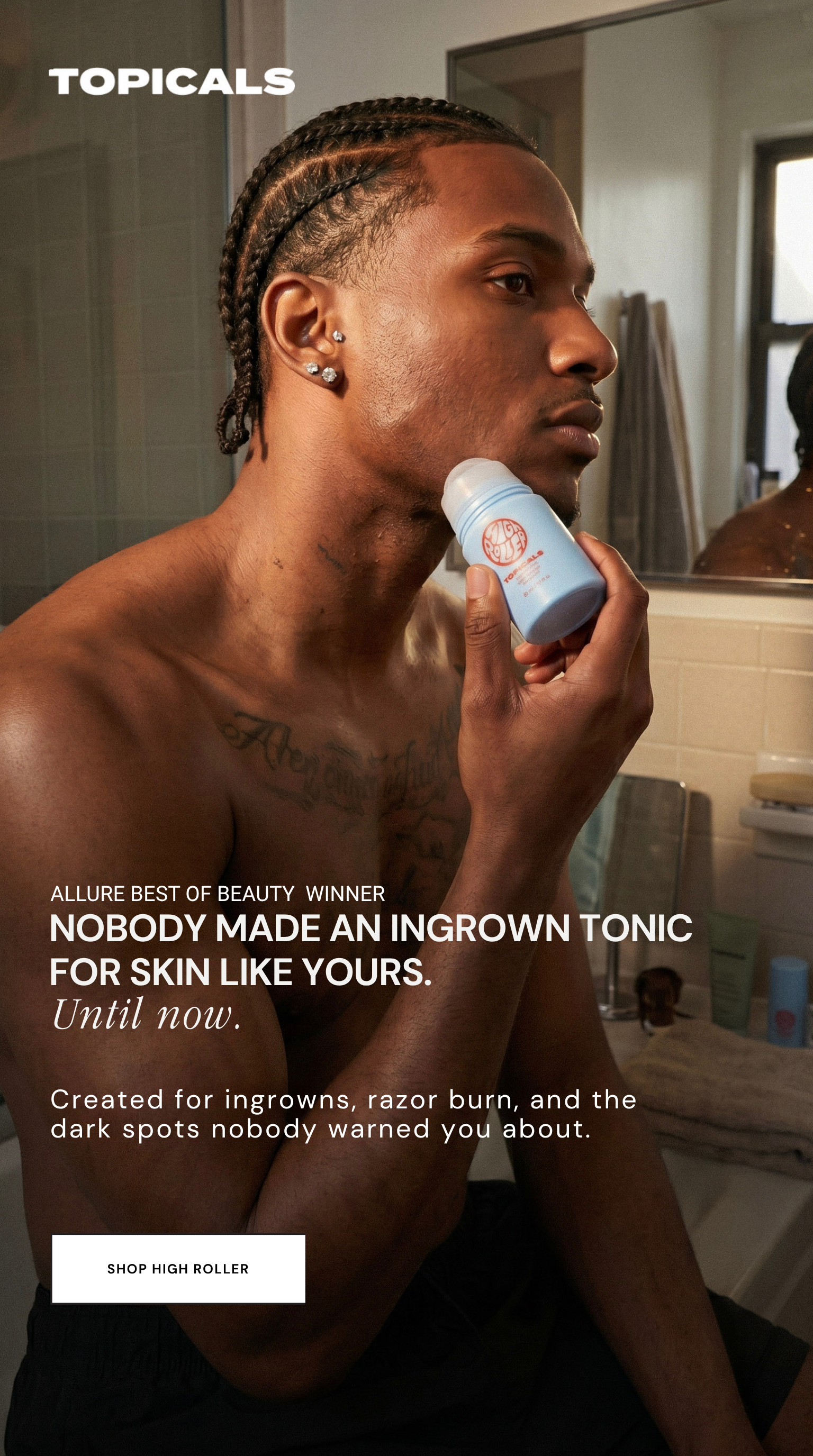
← Replace placeholder slots with your Topicals ad images

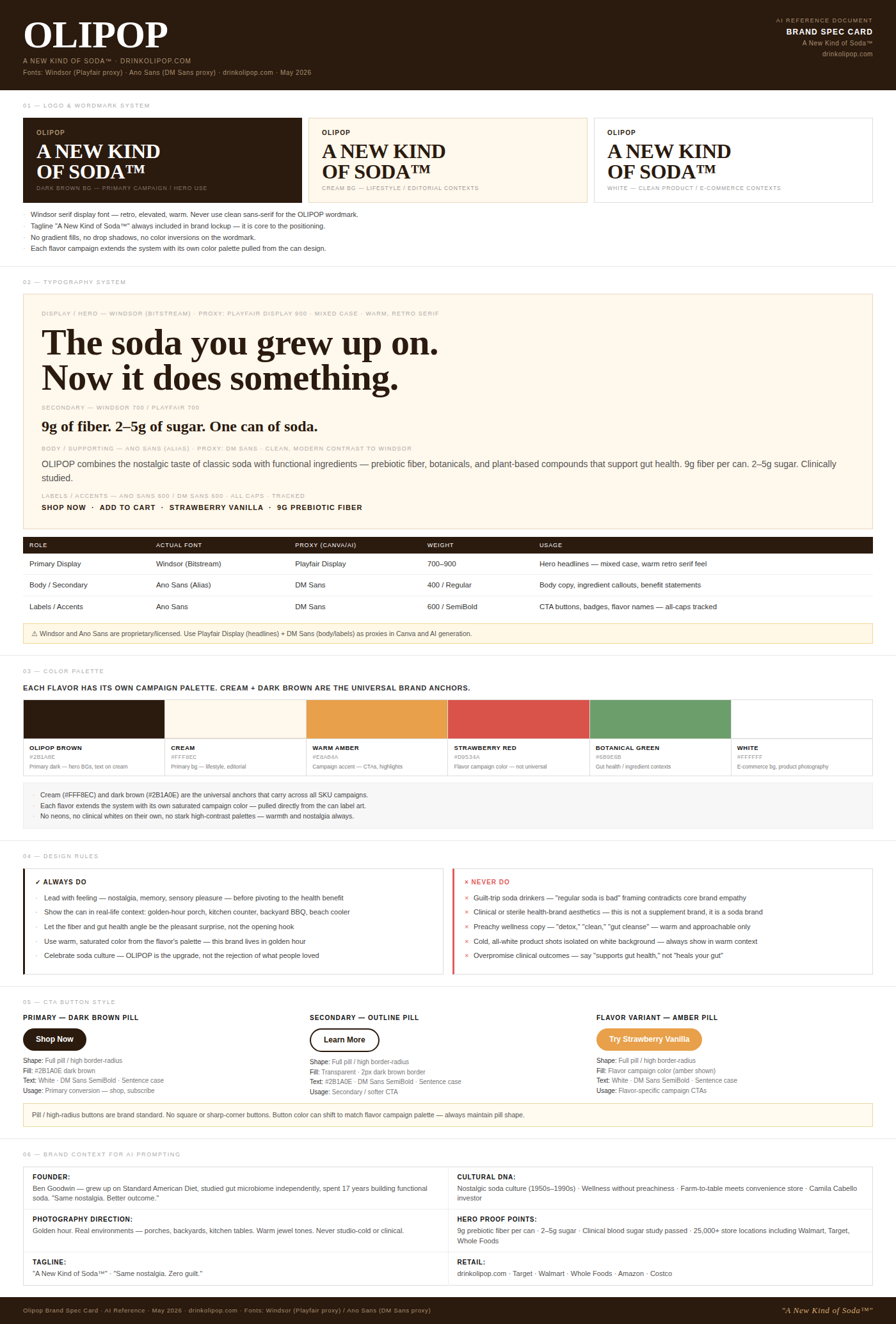
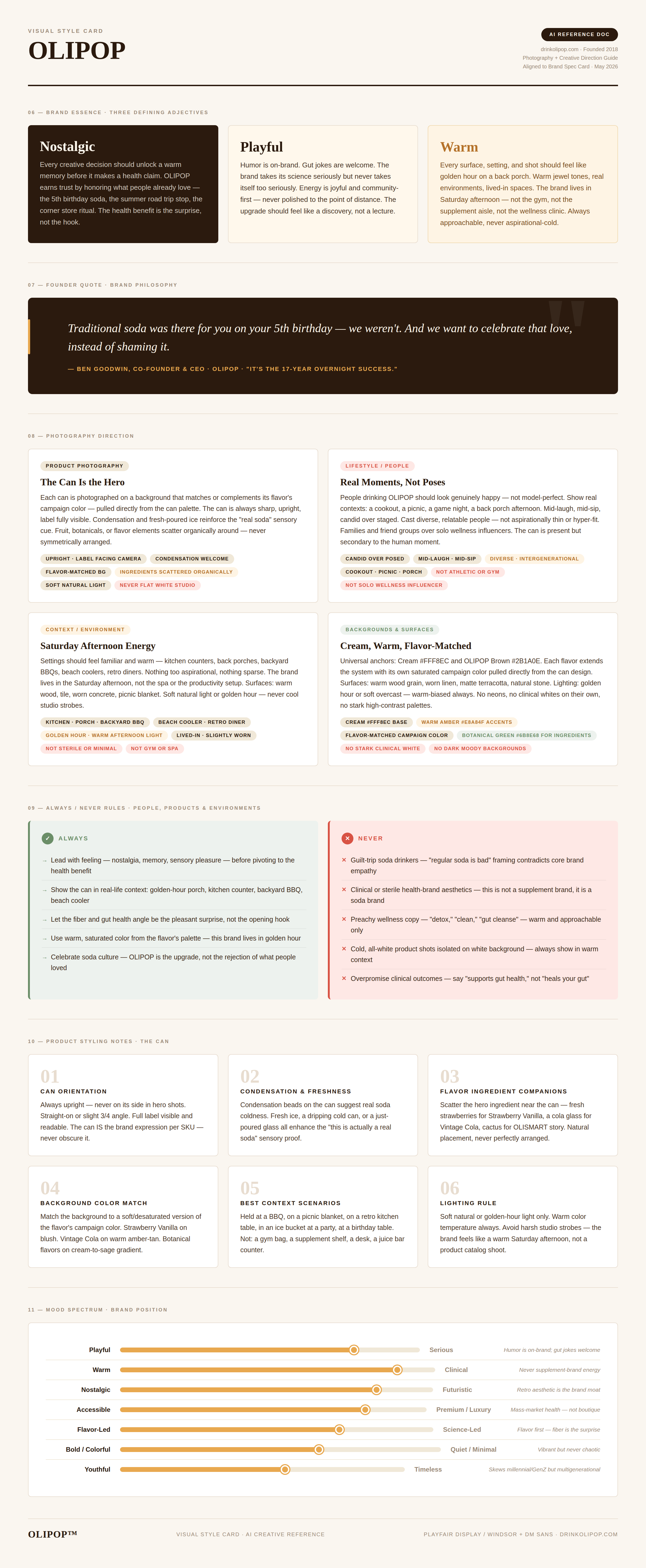
Every generation prompt was built on top of these two reference documents — uploaded alongside each Nano Banana prompt to enforce brand consistency across all outputs.
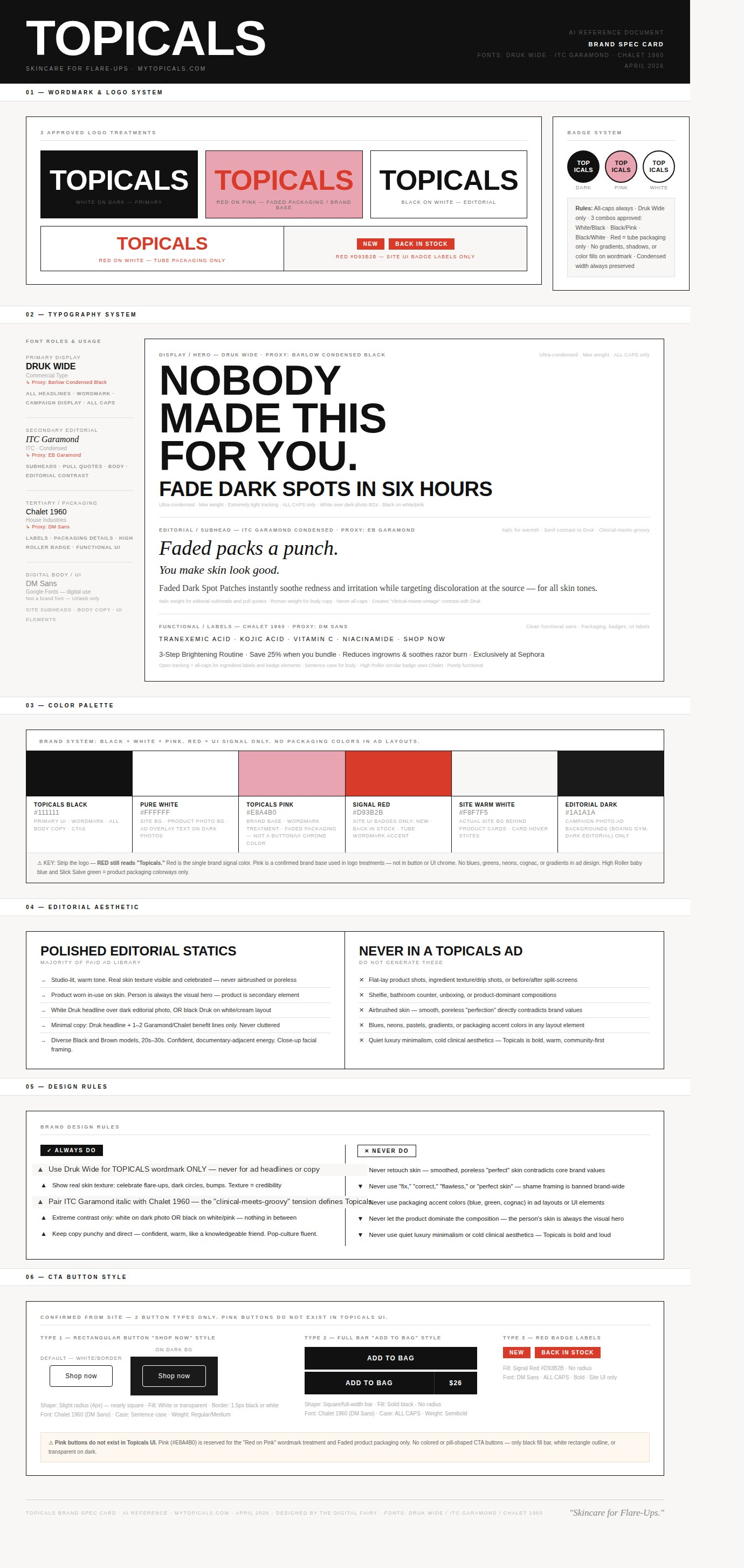
Topicals Brand Spec Card
Brand Spec Card — AI Generation Reference
Topicals Visual Style Card
Visual Style Card — Photography + Mood Direction
GRAMMARLY
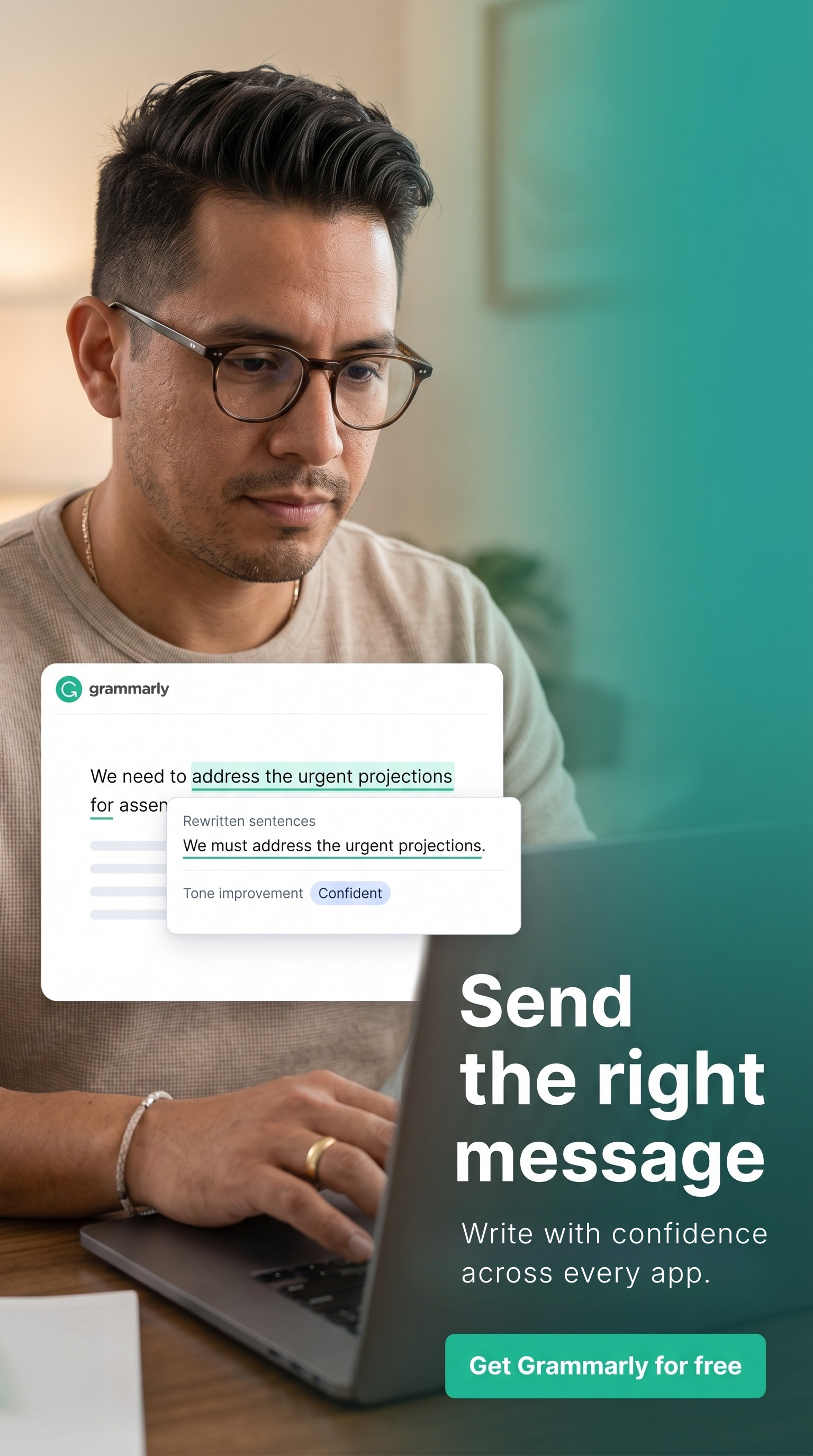
Three-concept performance ad system — SaaS

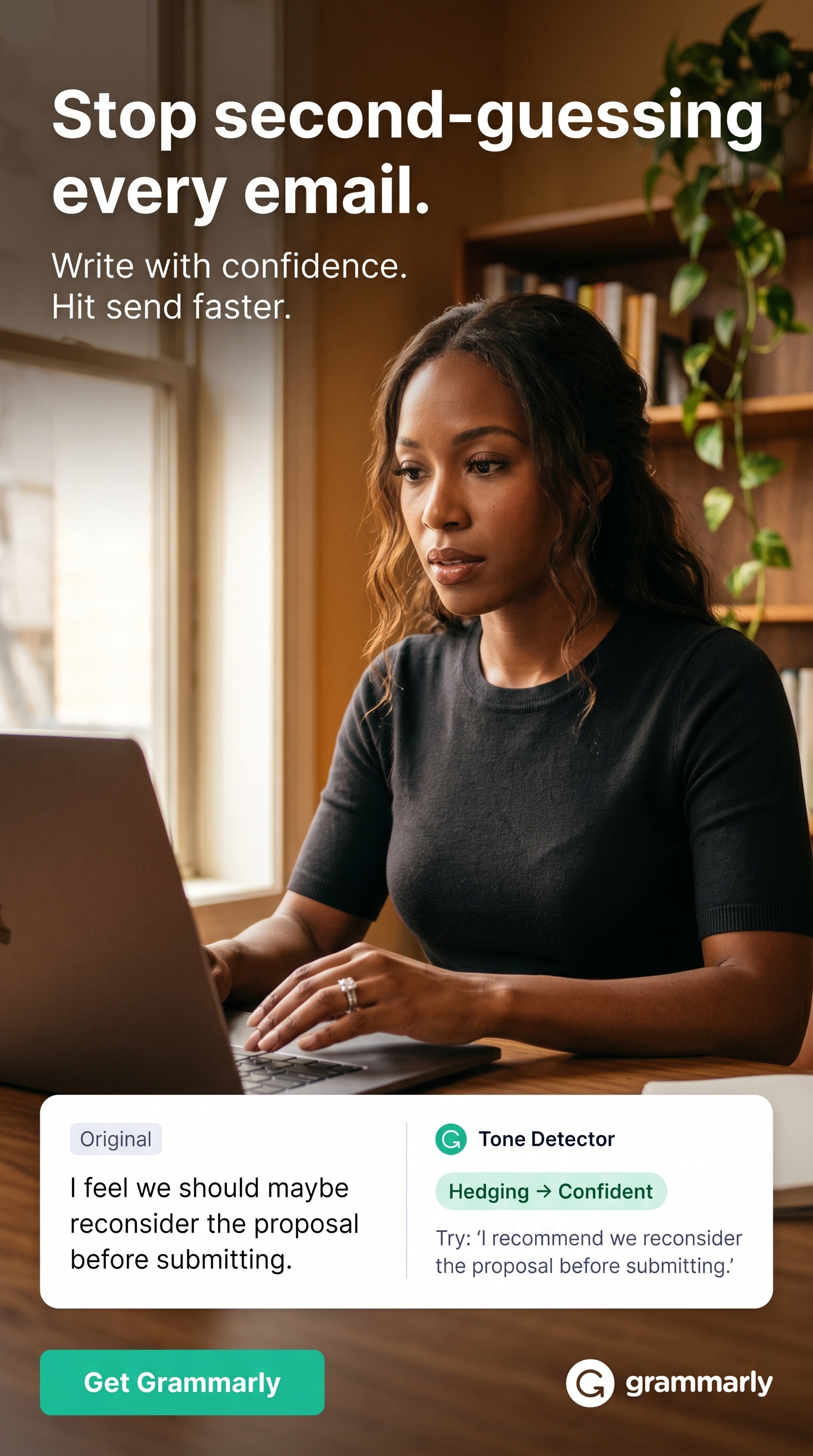
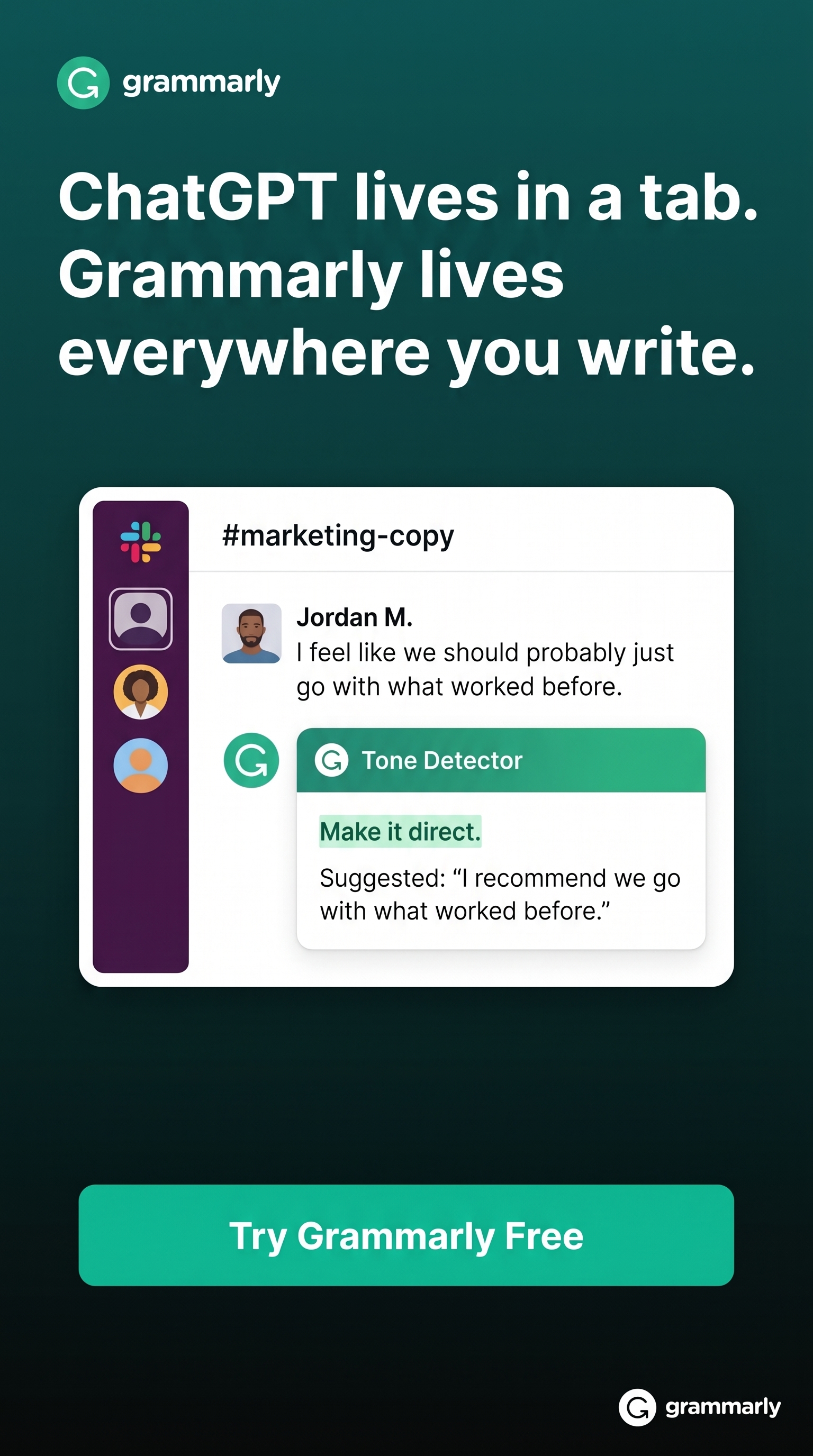
Grammarly's challenge in 2025–26 isn't awareness — it's "why Grammarly when ChatGPT is free?" Built three ad concepts answering three distinct objections: behavioral anxiety, product proof, and direct competitive positioning.

What I built
Full creative brief and brand spec (10 sections)
3 concepts with individual image generation prompts
Copy variants per concept with strategic rationale
Lifestyle, product demo, and competitive positioning formats
Grammarly lifestyle
Grammarly ChatGPT
System Artifacts
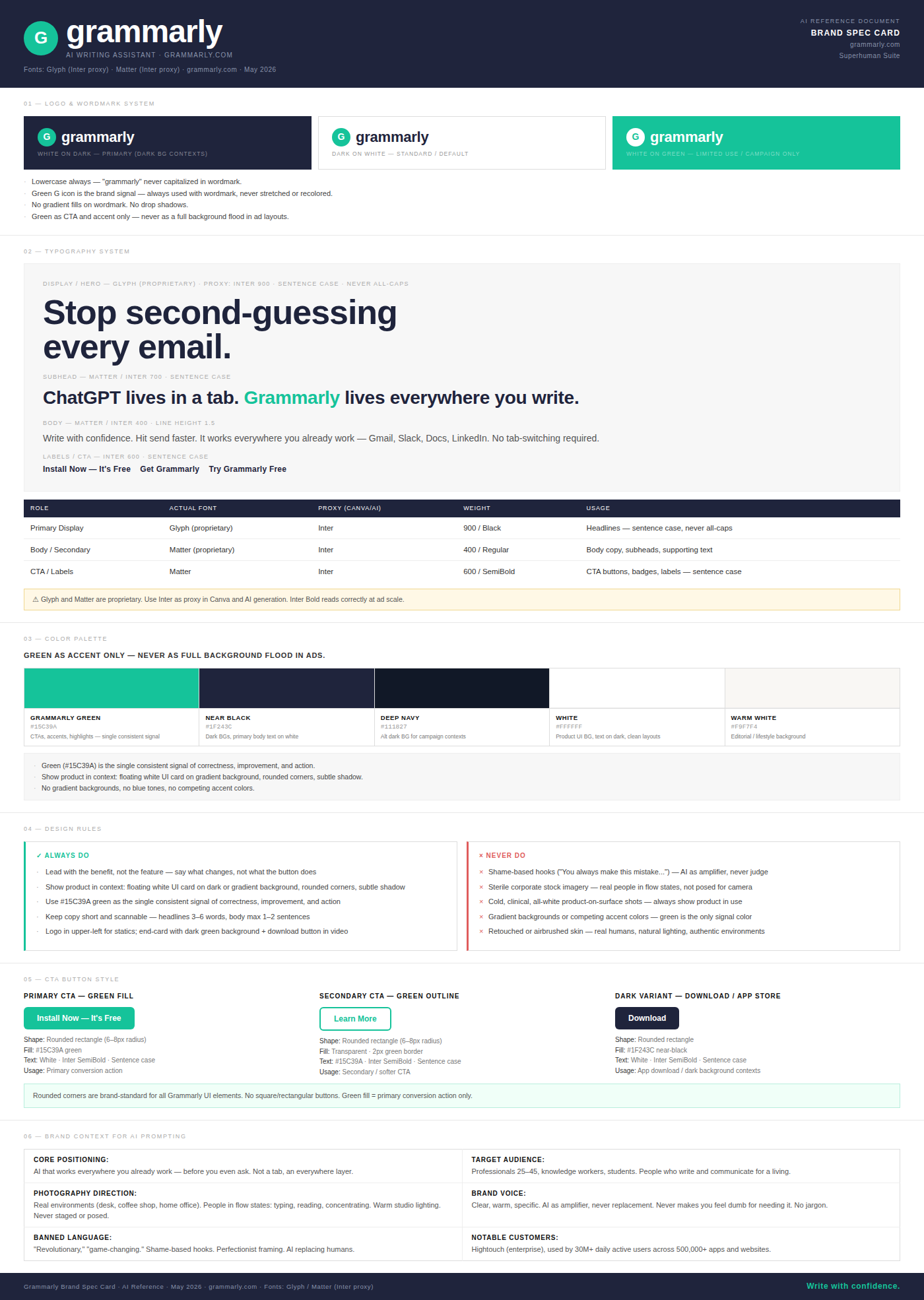
Grammarly Brand Spec
Brand Spec Card
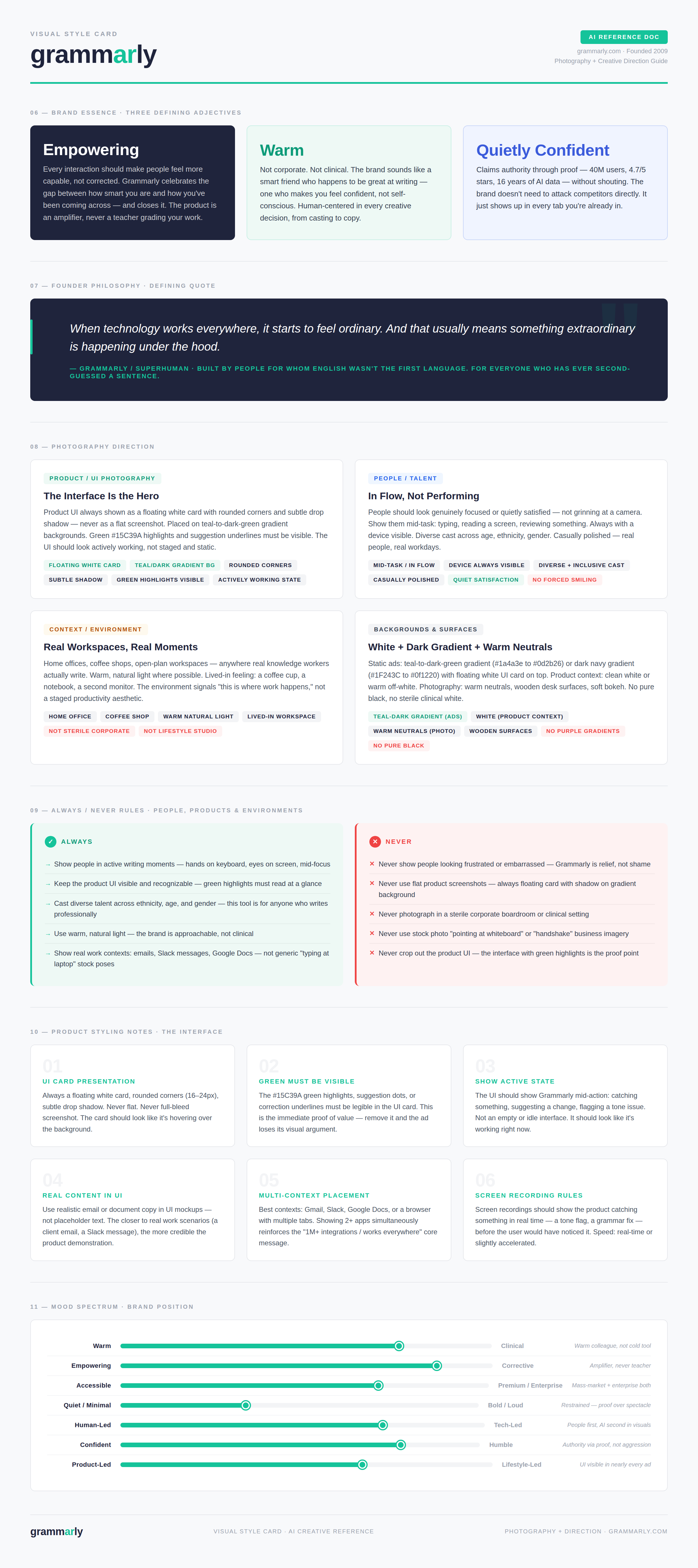
Grammarly Visual Style
Visual Style Card
OLIPOP
Two-direction ad portfolio — DTC beverage

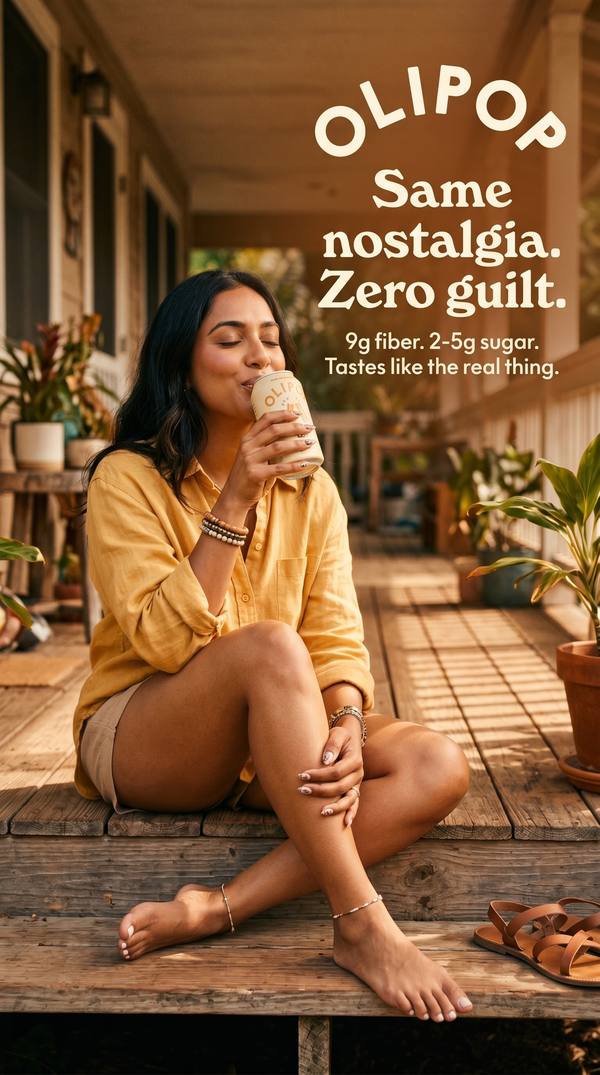
Olipop's consumer doesn't want to be lectured about gut health. They want something that tastes good and happens to be better. Creative leads with nostalgia as the emotional hook — health stats are the proof layer, not the headline.

What I built
7-phase brand research brief
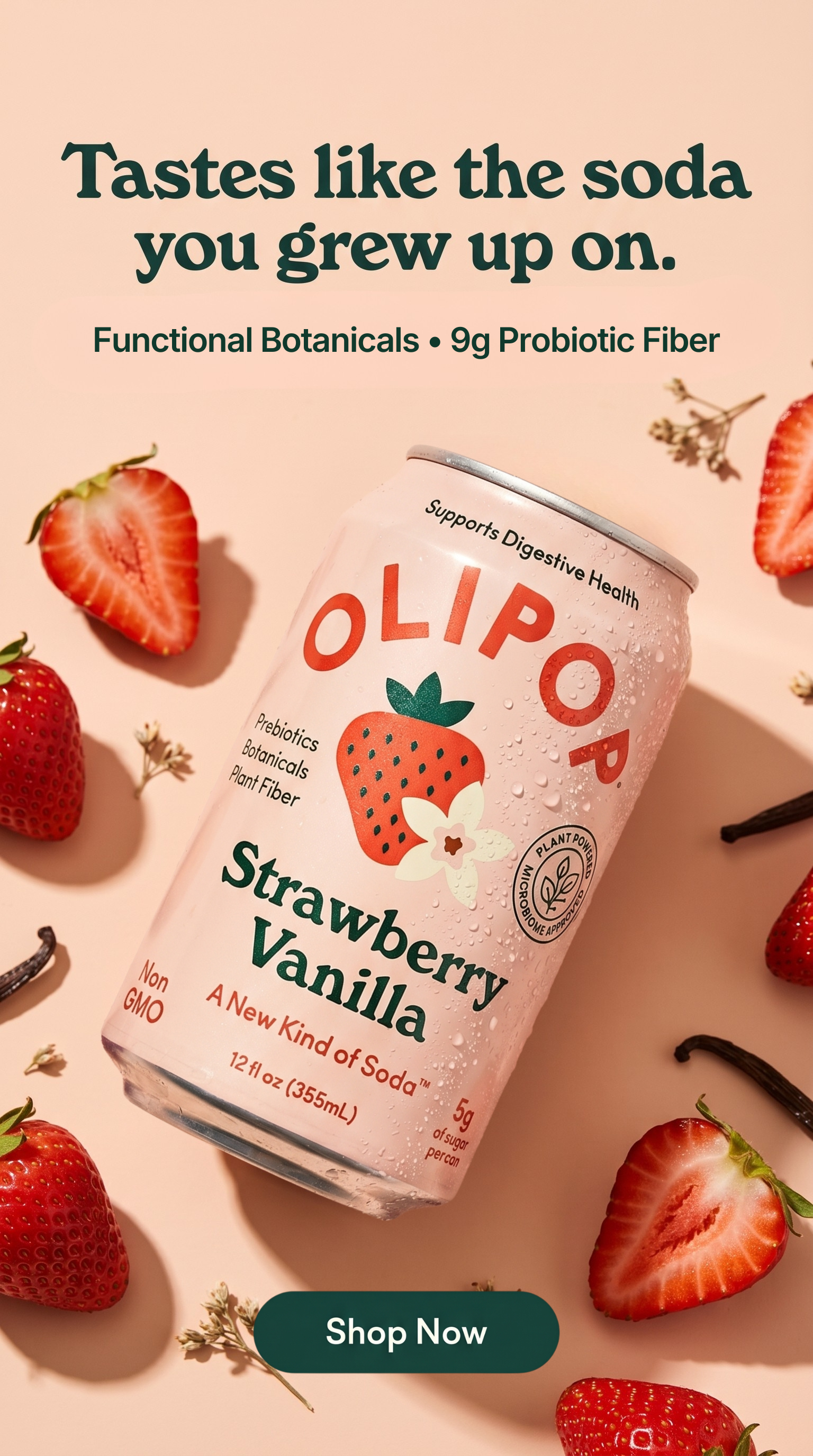
Lifestyle/UGC direction — golden hour porch, cream soda
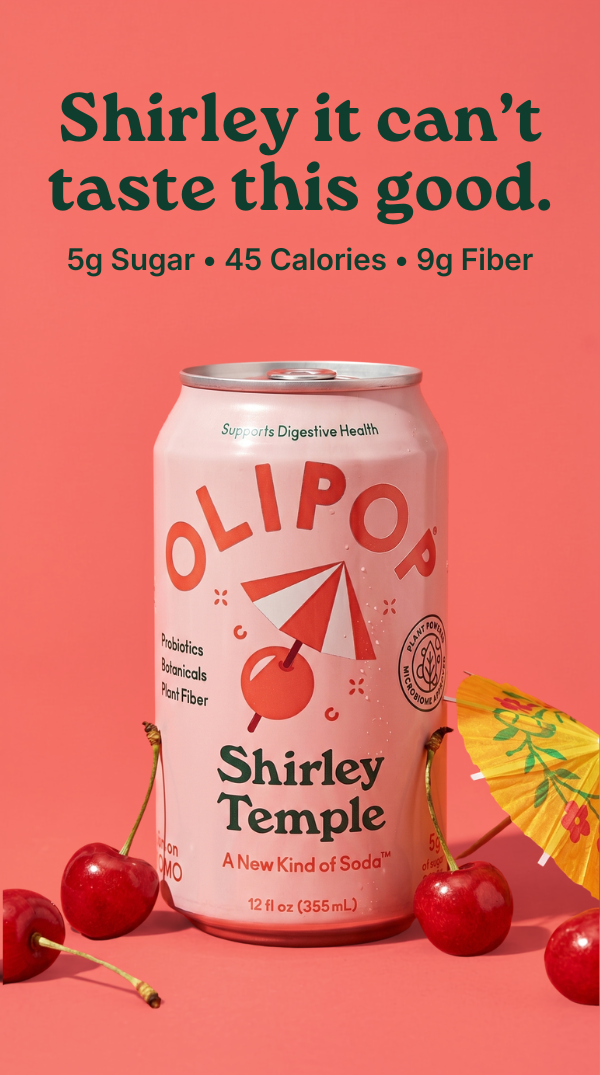
Product hero direction — Shirley Temple, pun headline
Portrait 9:16 format, all typography added post-generation
Olipop lifestyle
Olipop Shirley Temple
DRIPDROP
Micro-moments strategy — hydration / wellness

DripDrop markets to athletes and performance-seekers. The growth opportunity is everyone else — people who aren't hydrating for sport, but because there's always a next thing. Three underserved personas, three distinct creative angles, each built from real behavioral insight.

Strategic Reframe

"Not for performance. For everything after."

DripDrop's doctor-developed credibility and lower sugar positioning makes them uniquely suited to own the caregiver segment — an audience that doesn't see itself in sports drink ads but is chronically depleted.

Persona 01
"It's 5pm and she hasn't had a sip of water all day."
The Desk Worker. Dehydrated by default, not by choice. High output, low body awareness. Doesn't see herself in performance drink ads.
Persona 02
"She thought it was the weather."
The Seasonal Sufferer. Low energy every winter, never connects it to hydration. The insight reframes the symptom she already knows.
Persona 03
"Not for performance. For everything after."
The Perpetual Caregiver. Nurse, teacher, mom. Always on for someone else. Hydrates because there's always a next thing — never for herself.
Motion CS Bootcamp — Week 5
DATA ANALYSIS
Creative benchmarks + funnel diagnostics

Analyzed three real ad accounts from Motion's Creative Benchmarks and Content Engine reports. The goal: identify what actually drives performance, not just what looks good. Two clear principles emerged from the data.

Next Steps from the Data

Go face-first. Real person on camera within the first two seconds, every brief going forward. The more interesting test is what happens right after the hook. Eliah's numbers suggest there's conversion left on the table between seconds 4 and 15 — tightening that transition could close the gap between stopping power and actual conversion.

Learning 01 — Thumbstop

"The first frame is a human handshake, not branding."

Face-first hooks win. Every ad that opened with a real person on camera (Julia: 52.89%, Eliah: 60.7%) cleared 40%+ thumbstop. Text and graphic-led ads (Levi: 13.02%) barely broke 15%. Format is the first decision, not an afterthought.

Learning 02 — Hook vs. Funnel

"A monster hook can carry the whole funnel."

Eliah's hold rate was only 14.75% but still delivered the cheapest conversion in both reports at CA$2.98 per form. Volume of attention at the top compensated for mid-funnel drop-off. Hook quality is the highest leverage variable in the entire ad.

WHY THIS
PORTFOLIO
EXISTS.

My last role was managing enterprise partnerships in biotech — coordinating across health systems, academic medical centers, legal teams, and clinical ops at the same time. Part of that work was creative: building marketing collateral alongside creative teams, developing custom partner-facing landing pages, and working with PMRC on content that had to move fast without cutting corners. I know what it takes to get something across the finish line inside a regulated, high-stakes environment where everyone has opinions and nothing ships without sign-off.

When I moved into creative strategy, the approach was the same: figure out what the brand actually needs, build a system that produces it consistently, and don't skip the brief. What you're looking at isn't a collection of pretty ads. It's proof I can build the architecture behind creative — the spec, the scoring logic, the prompt system, the production workflow. That includes AI image generation, animation via Veo, and post-production finishing in Canva and Photoshop. The Y2K camcorder treatment on the Topicals animated piece wasn't a happy accident. It was a deliberate creative decision rooted in the brand's actual cultural DNA.

The reason to take a chance on someone who came from clinical ops? I've never once confused pretty output for effective output. Those aren't the same thing — and in performance creative, the difference shows up in your numbers.

All work is speculative. Not affiliated with or commissioned by Topicals, Grammarly, or Olipop.

Get in touch ↗ hellocp.creative@gmail.com

Tools & Skills

Nano Banana / Google Flow AI Image Generation
Veo / Google Flow AI Animation
Adobe Photoshop · Lightroom Photo Editing
Canva Typography & Layout
Claude Research & Systems
Creative Briefing & Brand Spec Strategy
Copy Scoring Frameworks Systems
Performance Ad Strategy Creative
Enterprise Stakeholder Management Operations
Motion CS Bootcamp Training — 2026
PMP Certification In Progress
All work in this portfolio is speculative and not affiliated with or commissioned by any brand shown. Built using Nano Banana (via Google Flow), Canva, and Motion Creative Strategy Bootcamp frameworks.
×